- 333 Streetpark Loop, Greensburg, PA 15601
- Dawn to Dusk
- 39 acres protected
UNIQUE FEATURES
Discover the Preserve
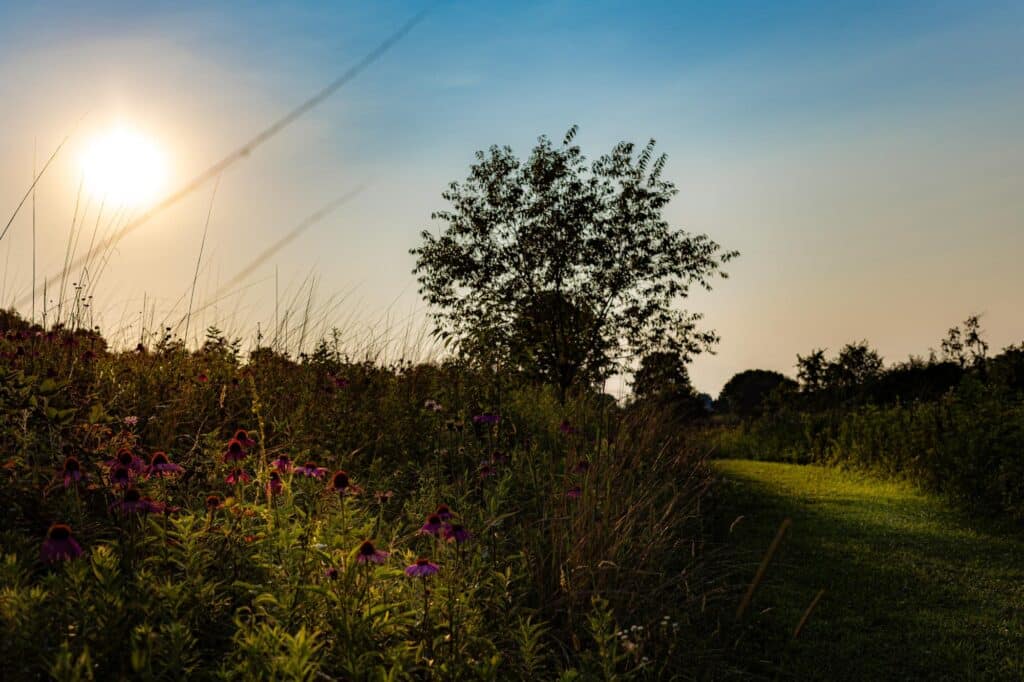
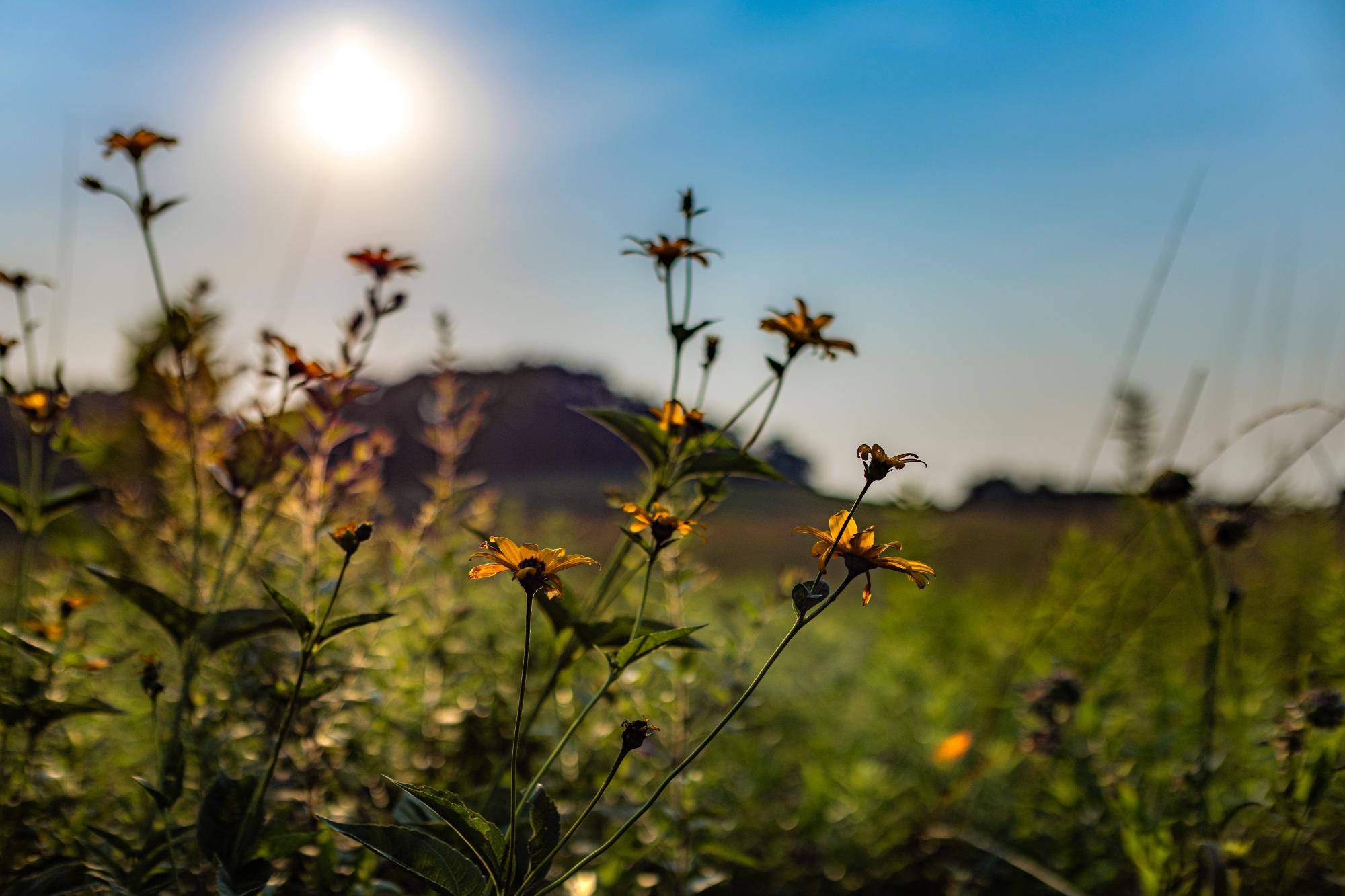
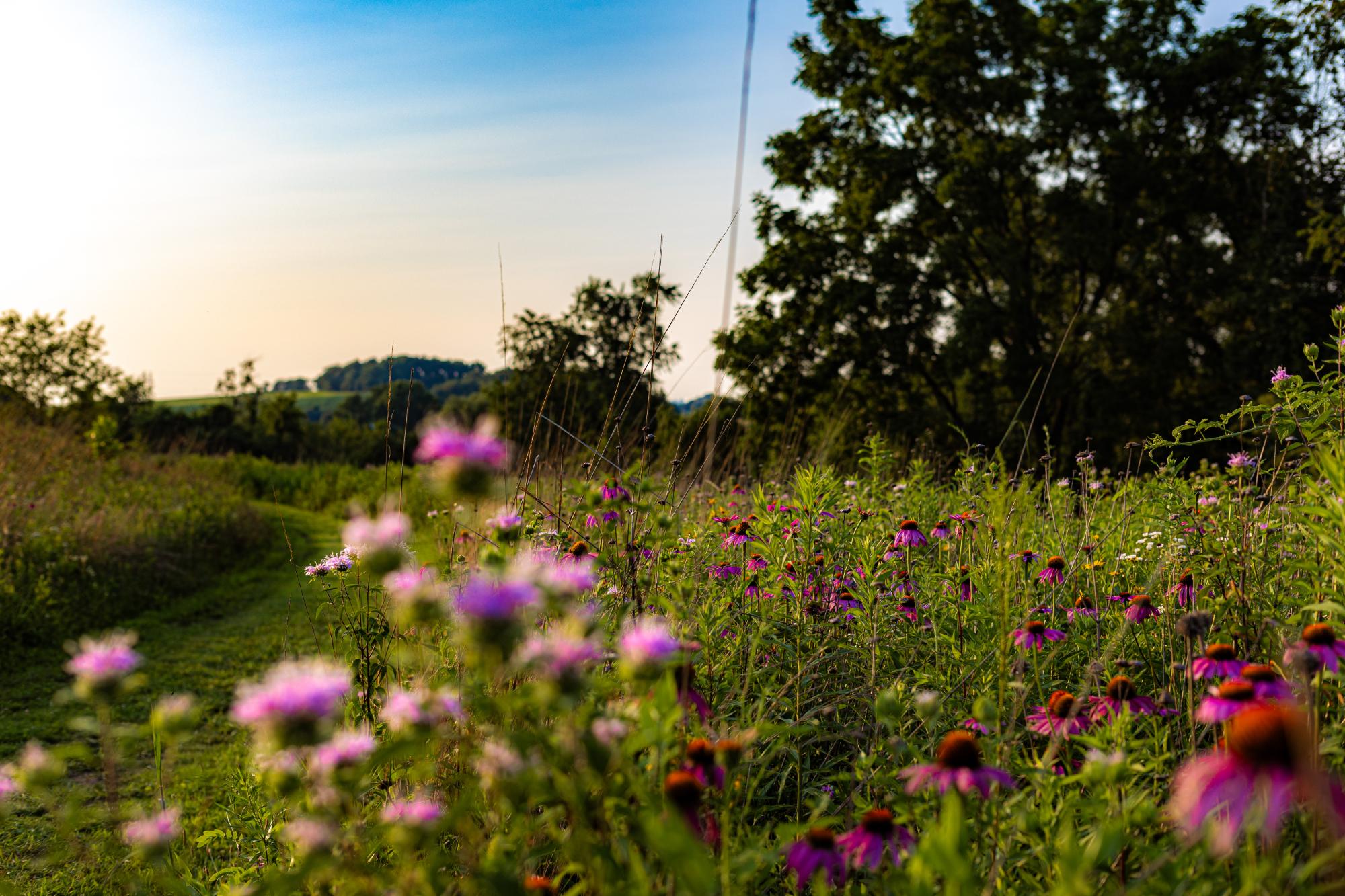
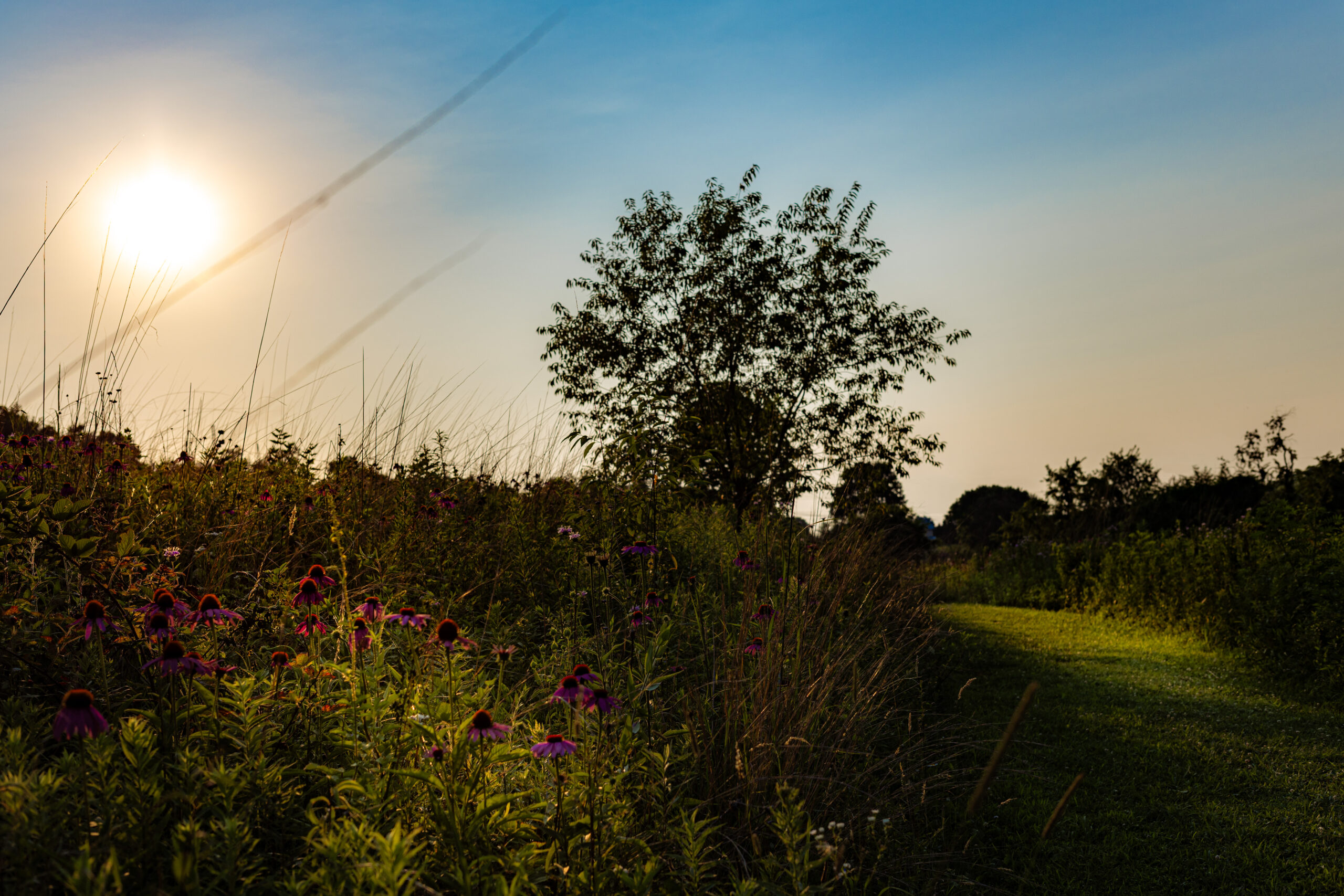
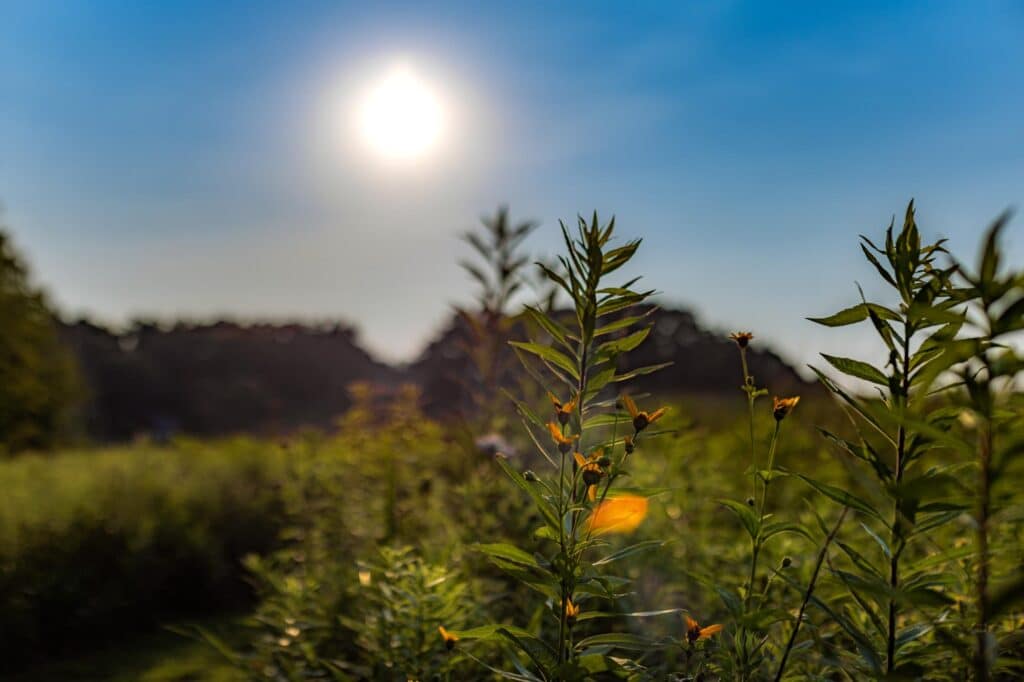
The gently rolling landscape provides sweeping views, seasonal wildflower displays, and opportunities for nature observation, photography, and quiet reflection. Native grasses and wildflowers bloom from summer through fall, creating a changing mosaic of color throughout the growing season.
Seasonal Blooms
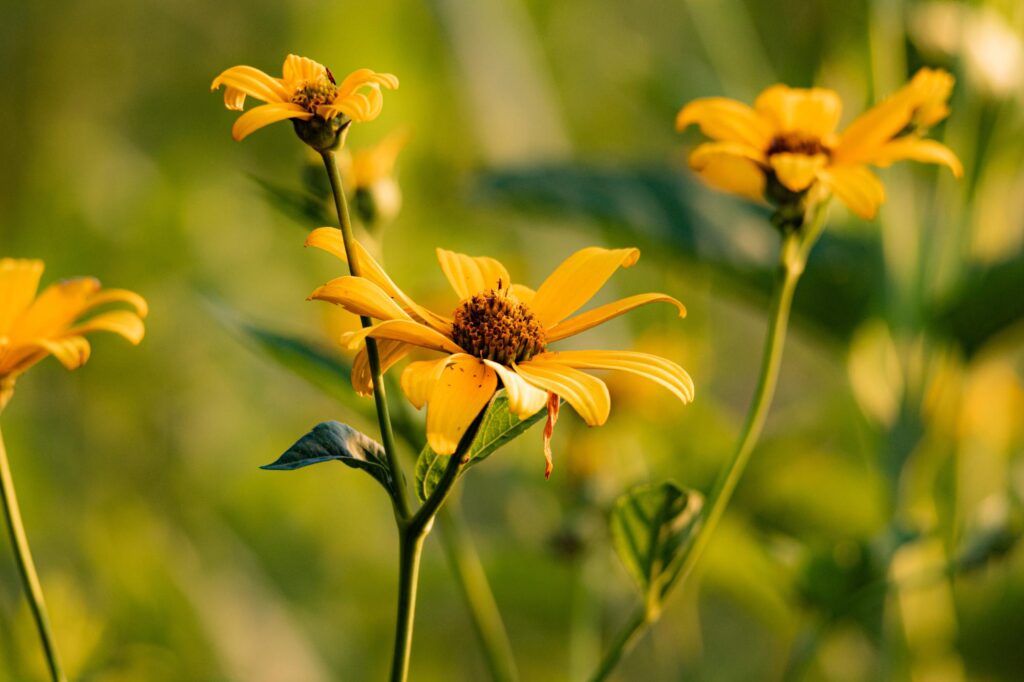
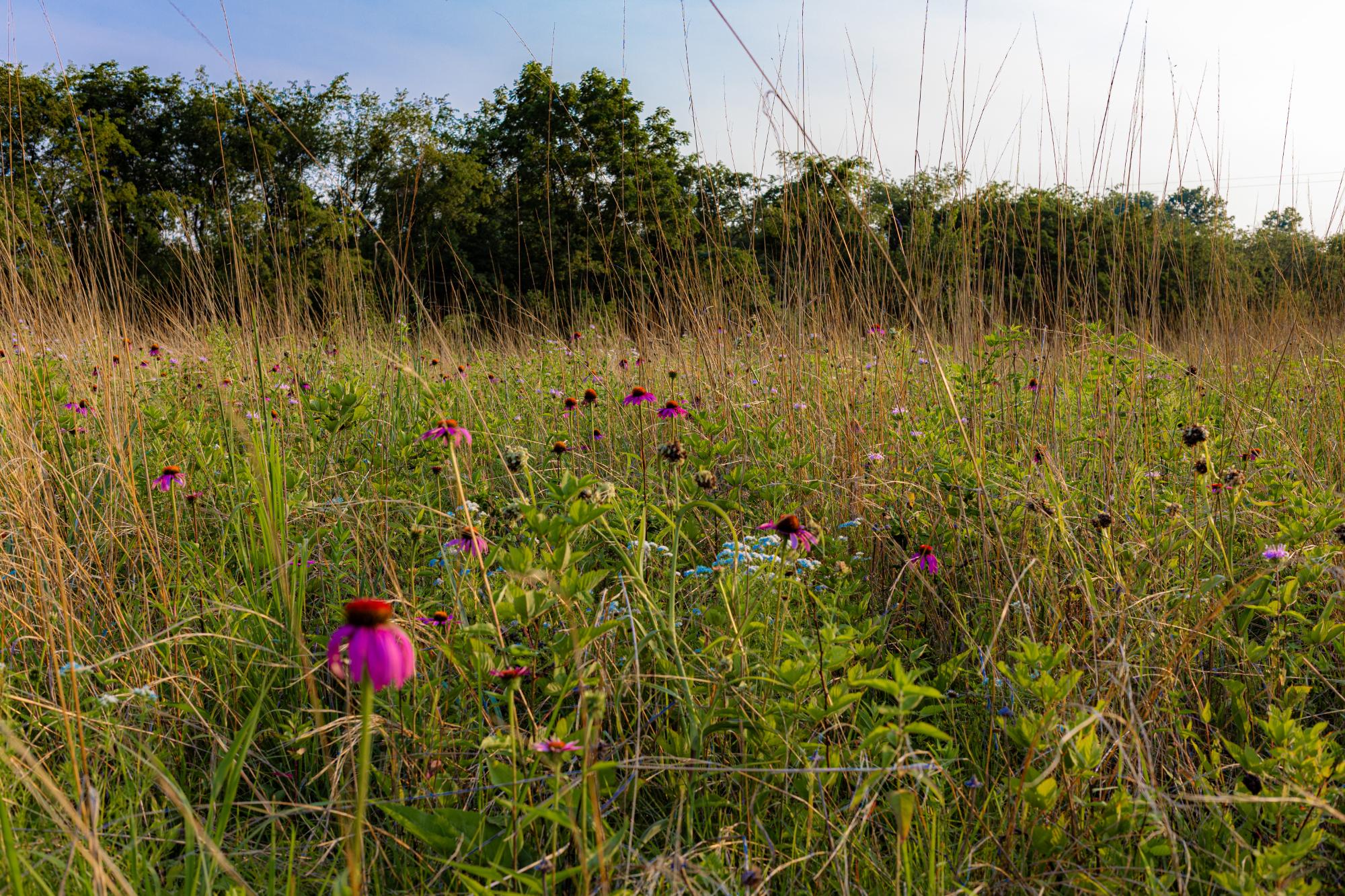
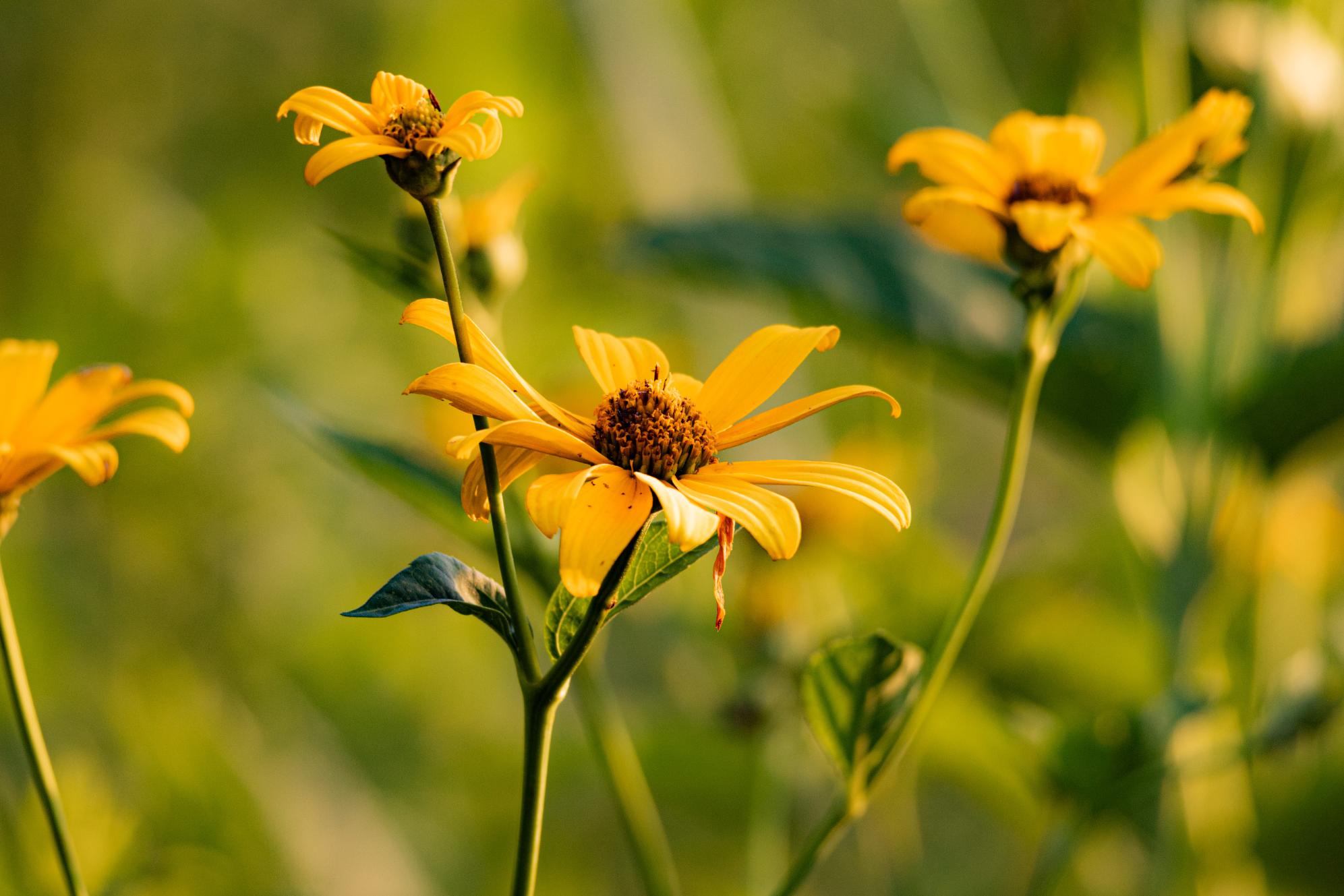
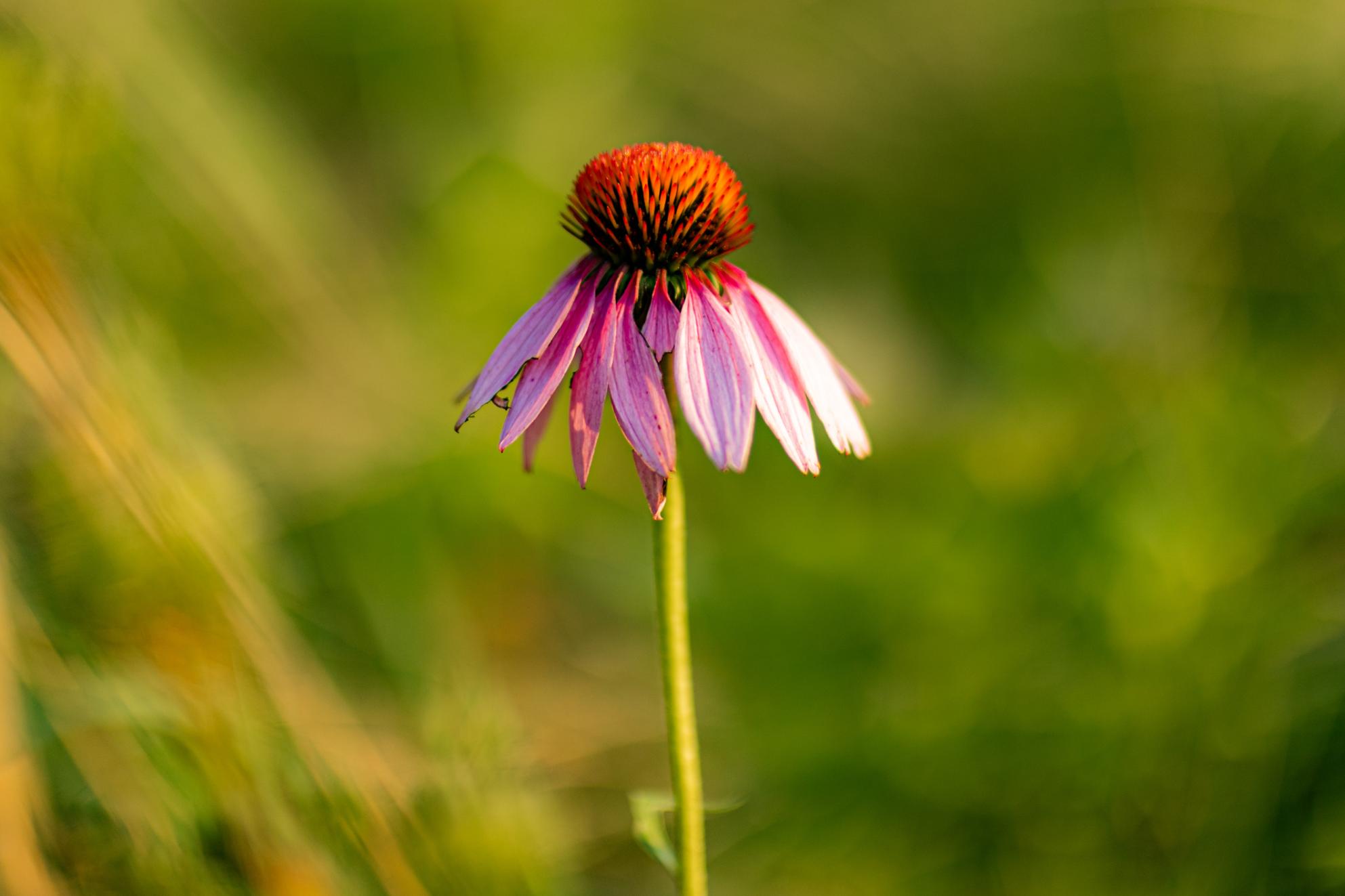
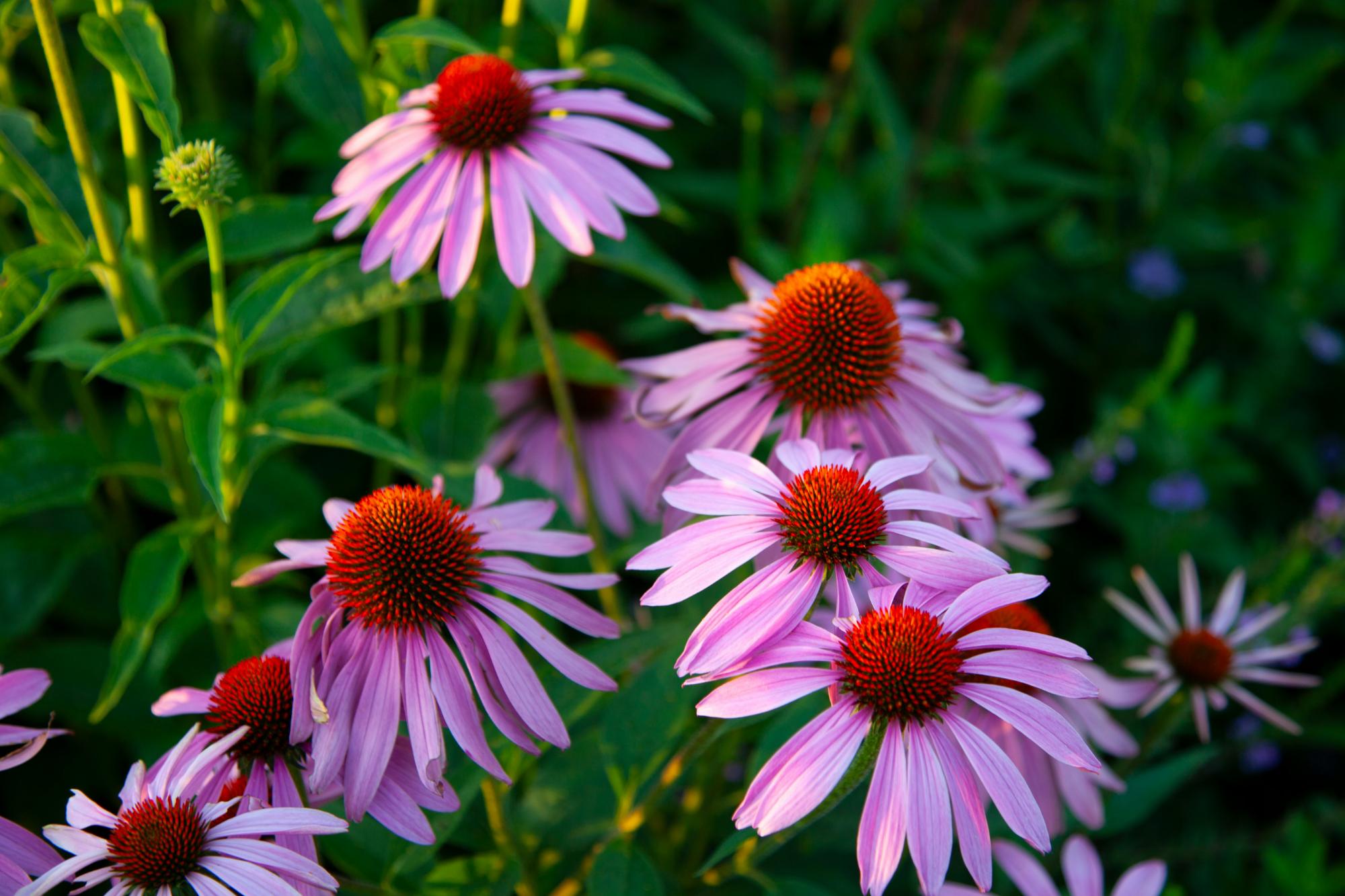
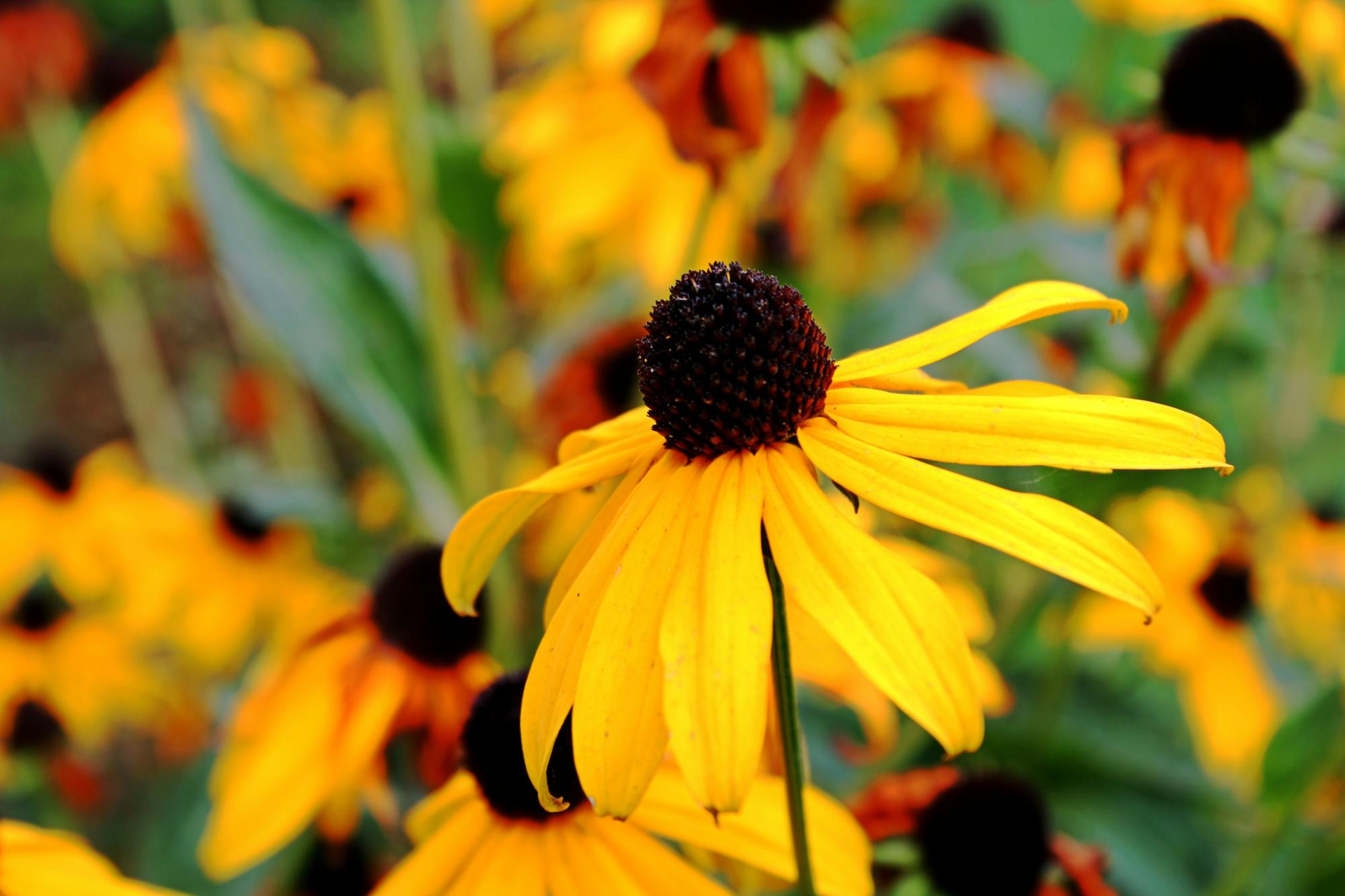
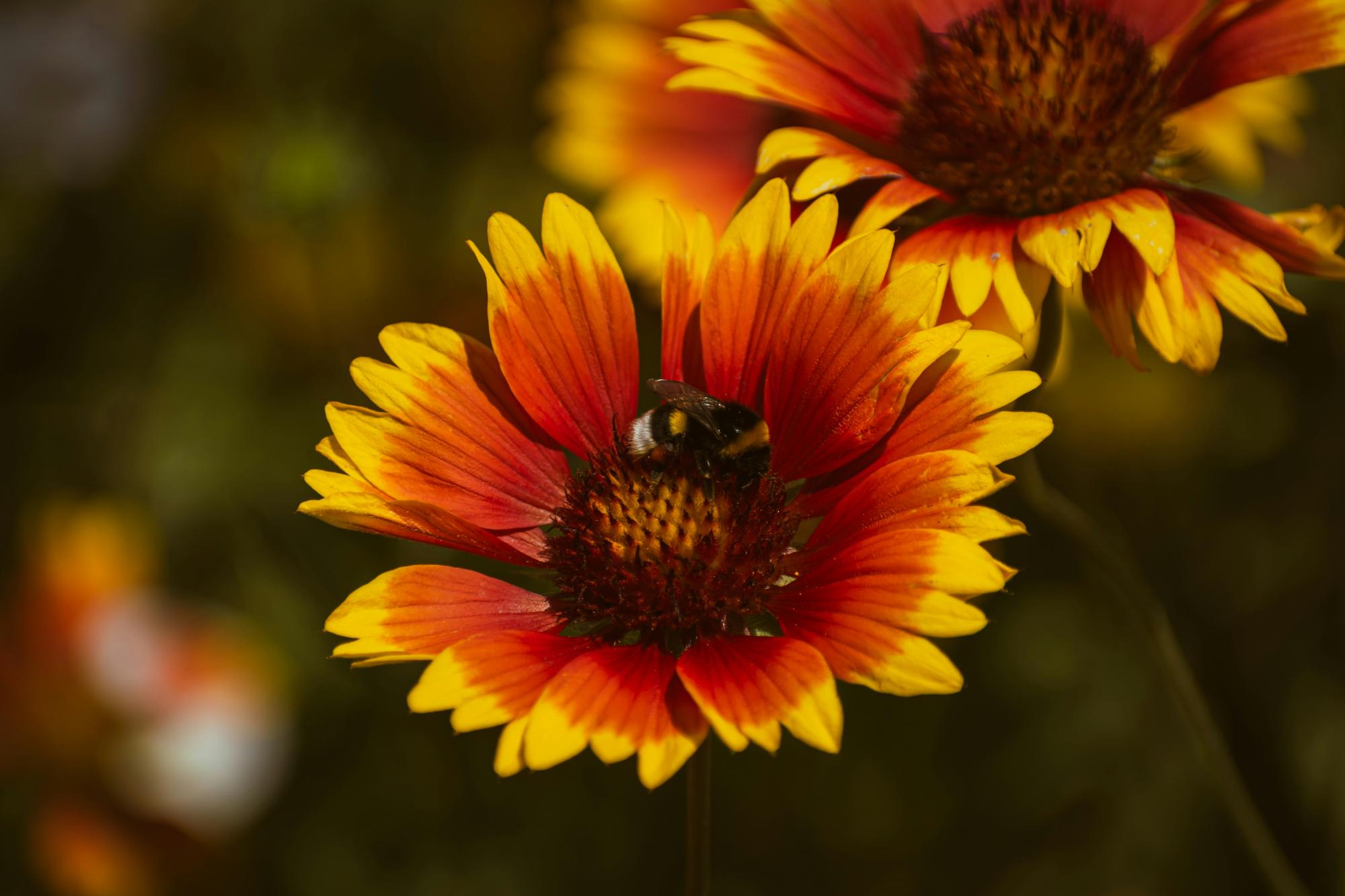
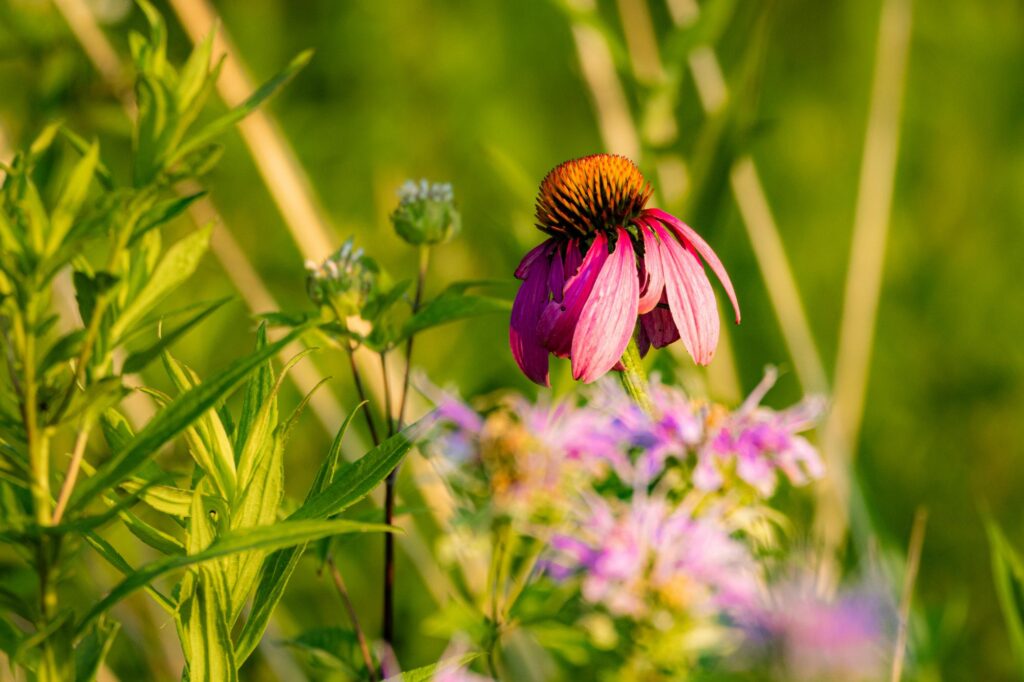
Twin Lakes Meadow changes with the seasons in June through the fall. Coreopsis, coneflowers, milkweed, asters, and sunflowers create an ever-changing landscape for visitors, wildlife, and photographers.
Pollinator Habitat
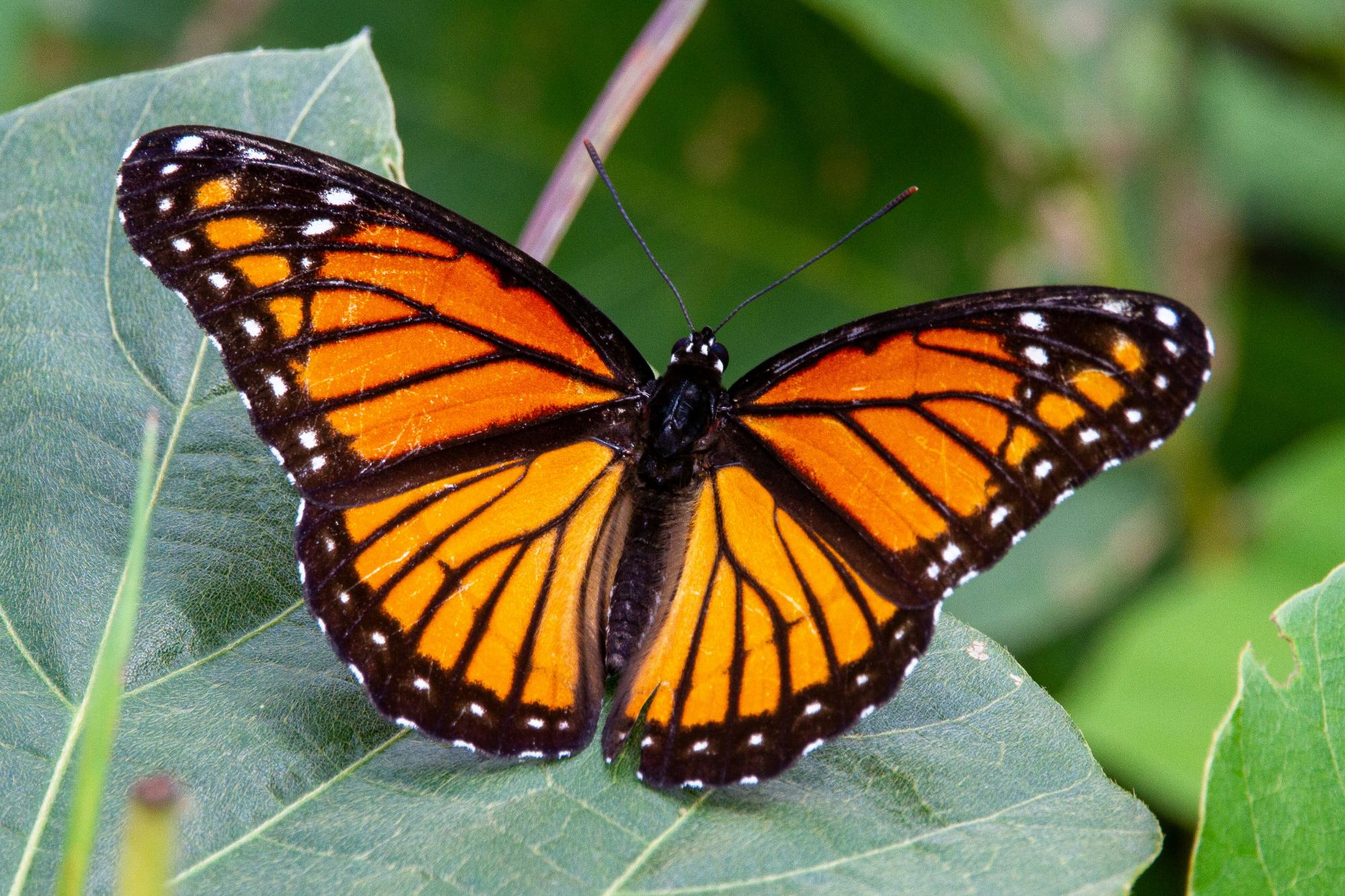
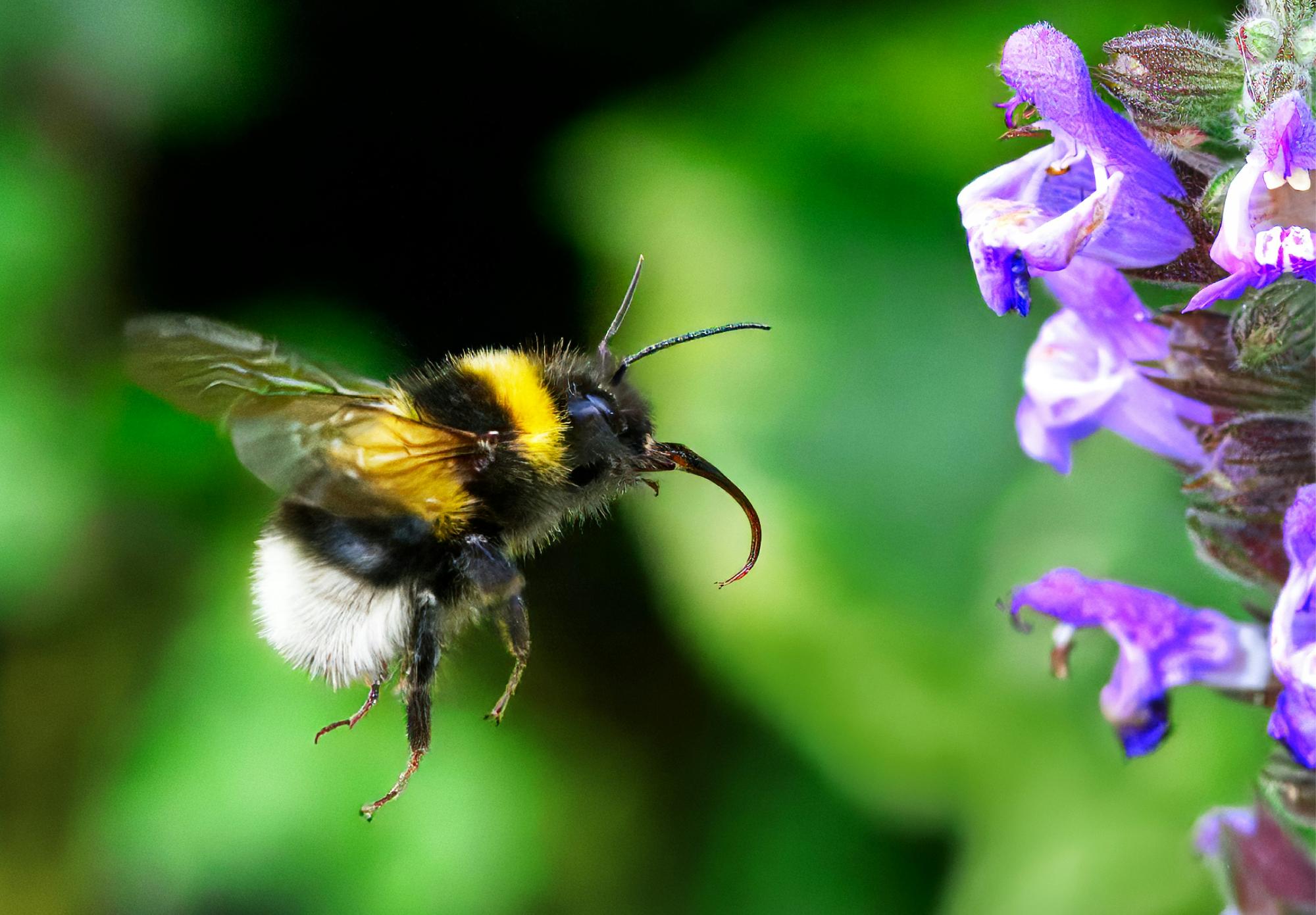
The meadow provides important habitat for monarch butterflies, native bees, hummingbirds, and other pollinators. A certified Monarch Waystation since 2023, its native plants provide essential support thorugh the pollinator life cycle.
Scenic Walking Paths
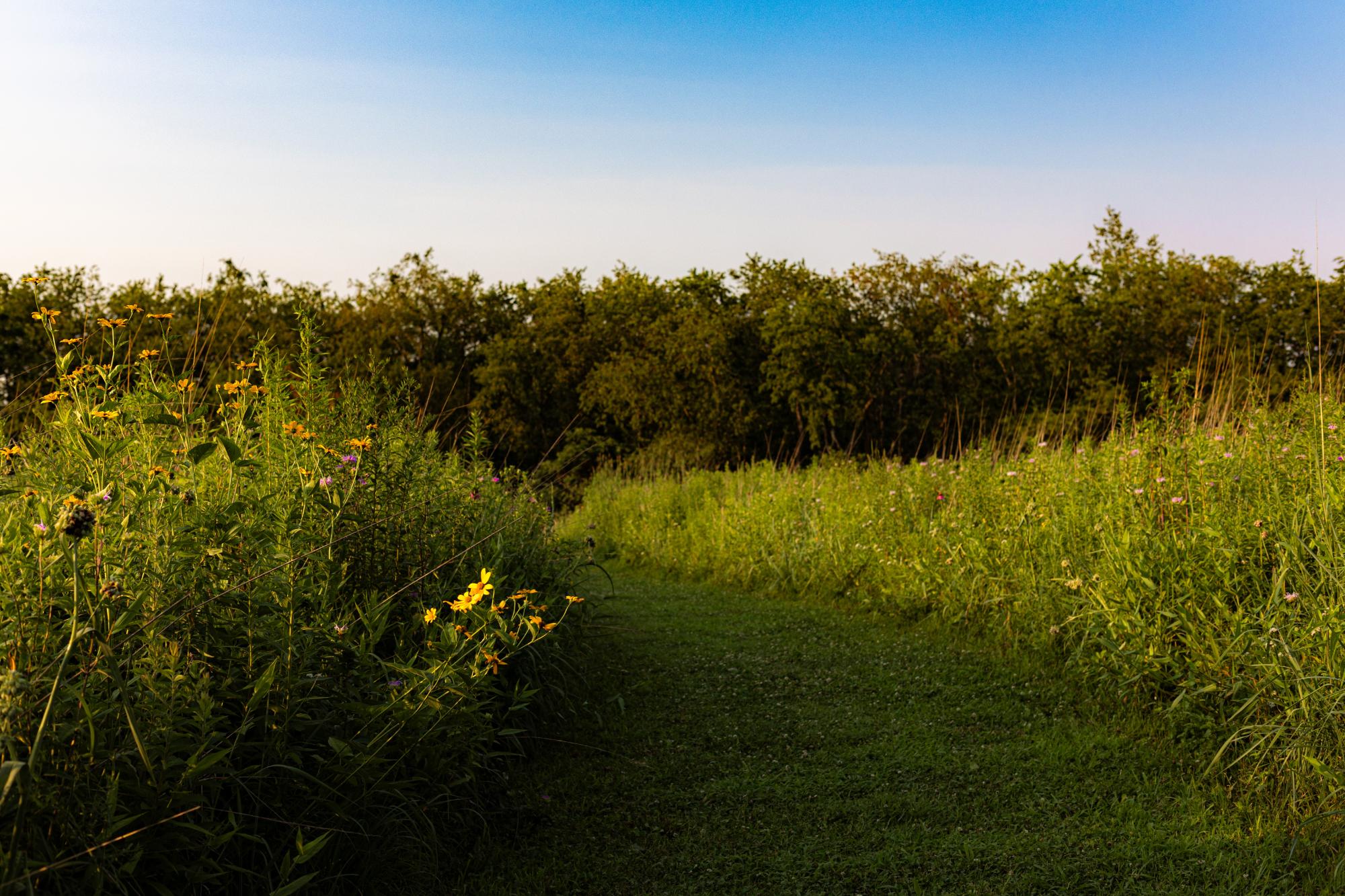
Mowed grass paths wind through the meadow, offering an immersive way to explore while minimizing disturbance to habitat. Visitors can enjoy wildflowers, butterflies, birds, and scenic countryside views along these family-friendly paths.
ABOUT THE PRESERVE
Gently Rolling Landscape
Twin Lakes Meadow is a 17-acre native wildflower meadow located within Twin Lakes Park in Hempfield Township. Protected by the Westmoreland Land Trust as part of a larger 39 acre parcel, the meadow was established in partnership with Westmoreland County Parks and Recreation as a demonstration project to showcase how native grasslands can support pollinators, birds, and other wildlife.
The gently rolling landscape provides sweeping views, seasonal wildflower displays, and opportunities for nature observation, & photography, Native grasses and wildflowers bloom from early summer through fall, creating a changing mosaic of color throughout the growing season.
HISTORY
Twin Lakes Meadow
Twin Lakes Meadow began as a partnership between Westmoreland Land Trust and Westmoreland County to create one of the region’s premier native grassland restoration projects. Through state and philanthropic support, the property was acquired in 2017 and then transformed into a native meadow within Twin Lakes Park in 2021.
The project was designed to create a vibrant habitat for pollinators, birds, and other wildlife while establishing a destination for walking, photography, public enjoyment, and nature appreciation. In 2022, the meadow became a Westmoreland Pollinator Partner site, and in 2023 it was designated a Monarch Waystation in recognition of its milkweed and nectar resources that support monarch butterflies during migration.
Today, Twin Lakes Meadow serves as both a conservation success story and a living classroom, demonstrating how native grasslands can benefit wildlife, improve water quality, and reconnect people with nature.
GETTING AROUND
Trail Guide
All are free, open to the public, and navigable without technical equipment.
Twin Lakes Preserve Trail Map
Includes all named trails, points of interest, trailhead parking, creek crossings & the quarry. Westmoreland Land Trust · Updated 2024
NATURE
Flora & Fauna
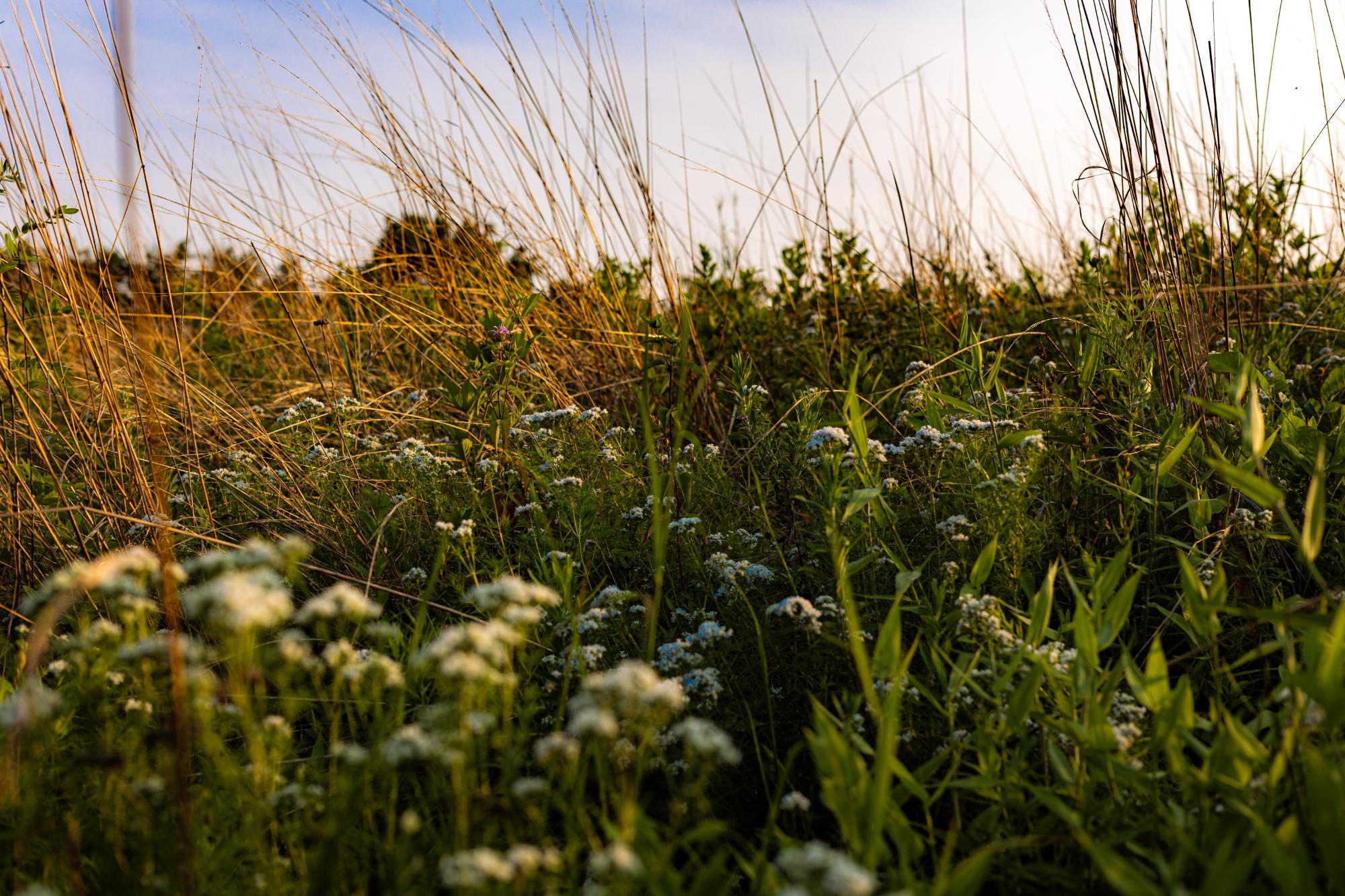
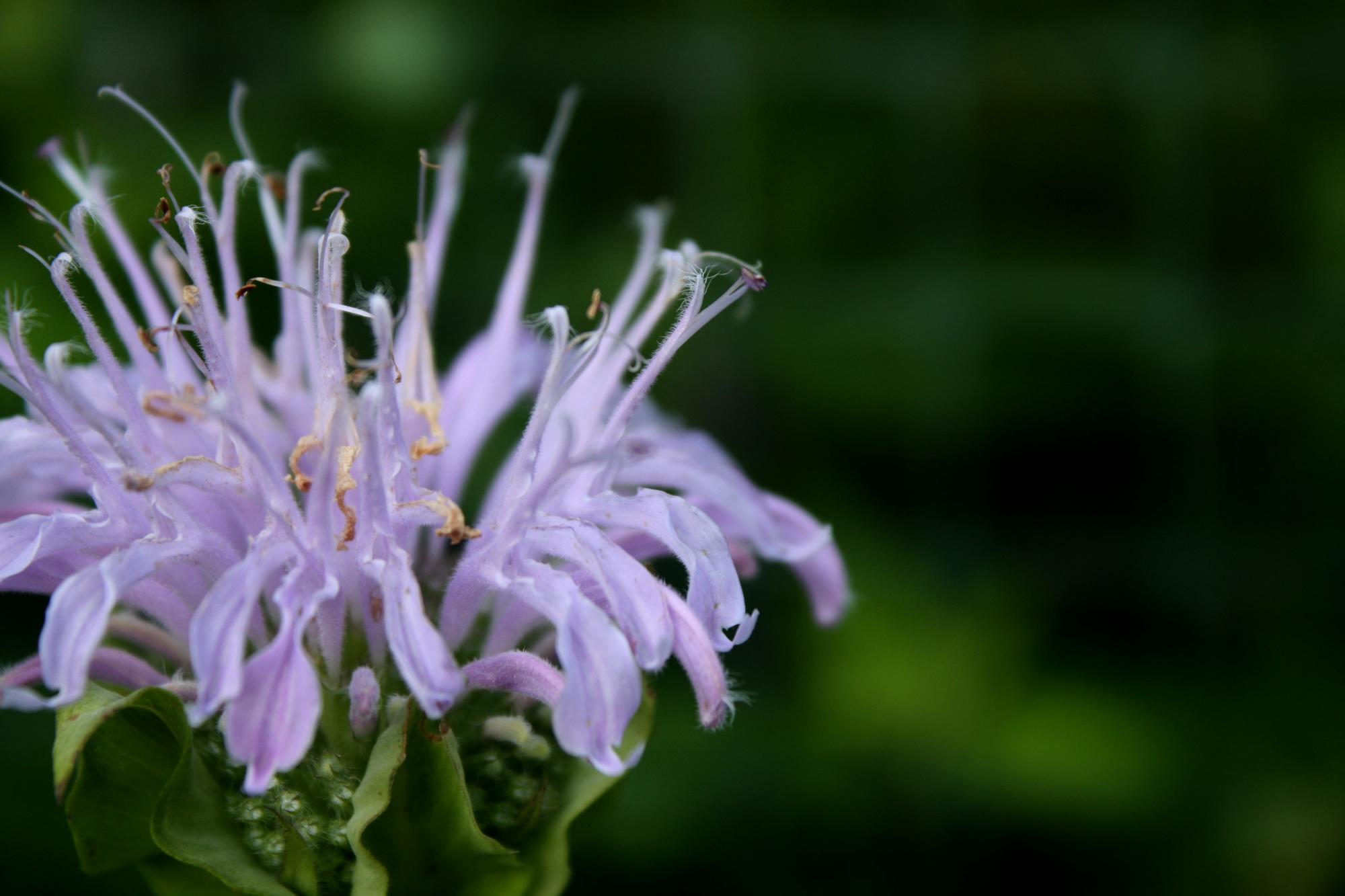
From late spring through fall, waves of blooming wildflowers transform the landscape. Early-season blooms such as sundrops, blue vervain, and lanceleaf coreopsis give way to summer favorites including purple coneflower, wild bergamot, partridge pea, Indian blanket, swamp milkweed, and black-eyed Susan. In autumn, zigzag asters, ox-eye sunflowers, and common boneset provide a spectacular display of color while continuing to support pollinators late into the season. Native grasses such as little bluestem, Virginia wildrye, and Indiangrass provide structure, nesting cover, and winter habitat for wildlife.
The meadow serves as important habitat for monarch butterflies and numerous other pollinators, including tiger swallowtails, pipevine swallowtails, eastern-tailed blues, orange sulfurs, pearl crescents, native bees, moths, and hummingbirds. Visitors may observe eastern bluebirds, red-winged blackbirds, songbirds, and a variety of small mammals utilizing the habitat for food, nesting, and shelter.
GETTING HERE
Plan Your Visit
Visitors can enjoy open meadows, scenic vistas, and sweeping views of the Laurel Highlands when on the property. The preserve is open year-round from dawn to dusk and is free to visit.
The property currently features mowed walking paths and open spaces for exploration, nature observation, photography, birdwatching, and family outings. A comprehensive trail system is currently in development. Future improvements will include expanded walking trails, interpretive features, overlooks, meadow access, art installations, and additional opportunities for outdoor recreation and environmental education.
Know Before You Go
- Leashed pets welcome
- Carry in, carry out
- Free parking at trailhead
The preserve is open daily from dawn to dusk. No admission fee. Please help us keep this natural treasure pristine for everyone. WLT embraces the principles of the Leave No Trace Center for Outdoor Ethics.
PROTECT
Conservation & Stewardship
Native meadows are among Pennsylvania’s most valuable and rapidly disappearing habitats. Unlike traditional lawns, native grasslands provide critical food and shelter for pollinators, birds, and other wildlife while delivering important environmental benefits.
The meadow is actively managed through a partnership between the Westmoreland Land Trust, Westmoreland County Parks & Recreation, volunteers, and community partners. Stewardship activities include invasive species management, pollinator habitat enhancement, and native plant monitoring. Ongoing care ensures the meadow remains healthy, diverse, and accessible.
GET INVOLVED
Volunteer at Twin Lakes
Volunteer opportunities include invasive species management, native plant stewardship, habitat restoration, seed collection, educational events, and seasonal improvement projects that help keep the meadow healthy and welcoming for both wildlife and visitors.
Whether you’re an individual looking to give back, a family seeking a meaningful outdoor activity, a scout troop completing a service project, or a community group interested in conservation, there are many ways to get involved.