✦ ✦ ✦
Est. 1845 · Preserved 2022
❦
The history of St. Xavier Nature Preserve is inseparable from the history of St. Xavier Academy. Long before it was a nature preserve, it served as a place of learning, faith, and service that shaped thousands of lives for over 125 years.
A New Film · 2026
Lives Shaped by Mercy: The St. Xavier Story
Lives Shaped by Mercy: The St. Xavier Story tells the remarkable story of St. Xavier Academy, the legacy of the Sisters of Mercy, and the enduring connections between faith, education, service, and stewardship. This documentary was made possible through the support of McAuley Ministries and produced by Westmoreland Land Trust in partnership with Seton Hill University Archivist Casey Bowser.
Through archival photographs and personal interviews with 19 alumni, Sisters, faculty, and community members, the film preserves the memories that shape St. Xavier.
Thank you to our generous supporters who sponsored the community premiere on October 15th, including The Fey Family Charitable Fund ($1,000 Heritage Sponsor); Saint Vincent Archabbey & Wimmer Corporation; Urban Terrain ($500 Mercy Sponsors); Toni Brant, Janet Merrelli, George Spanos / Nickos Chimney Company, Dr. Bernard & Mrs. Elaine Scherer, Stella Smetanka Mericli ($250 Friends of St. Xavier); and Karen Ridilla, Ann Manoli Ruddy, Sendell Motors / Mohler Family Foundation, and Tony Vittone / Vittone’s Music Center ($100 Friend of the Grove).
“While the school no longer operates, the story of St. Xavier lives on — through the preserved landscape, the historic Grove and guesthouse, and the memories of hundreds of alumni.”
✦
The St. Xavier property has a rich heritage as the site of the Sisters’ of Mercy former St. Xavier Academy and Convent. The Congregation of the Sisters of Mercy started in Dublin, Ireland in the 1820s when Catherine McAuley made use of an inheritance to build a house as a shelter and school for poor girls and women. In 1828, the name “Sisters of Mercy” was chosen for the women assisting with the shelter, and in 1829 the Sisters of Mercy unanimously decided that the group would become a religious congregation. In 1831, Catherine McAuley, Mary Ann Doyle, and Mary Elizabeth Harley professed their vows, thereby founding the religious order.
Throughout the 1830s and 1840s the order established 11 additional facilities in England and Ireland that offered shelter to poor women and children and provided nursing assistance during outbreaks of cholera. The first Convent of Mercy was established in 1839 in London. Sisters established a congregation in Newfoundland in 1842, Pittsburgh in 1843, Australia in 1846, and in New Zealand in 1850.
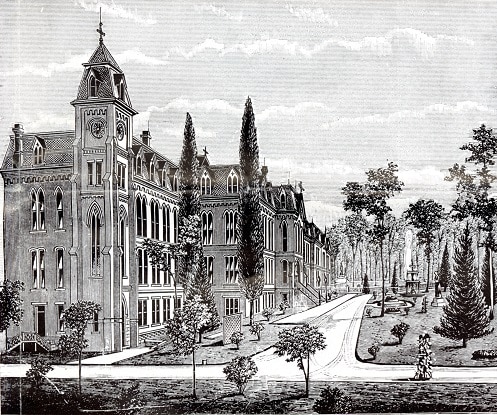
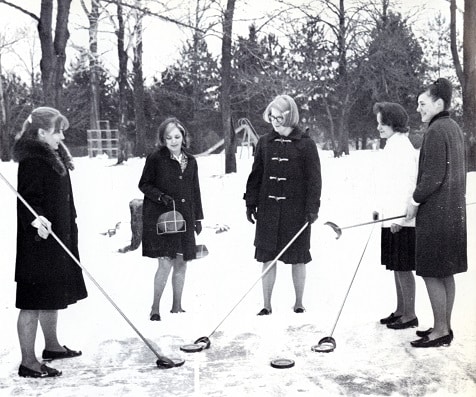
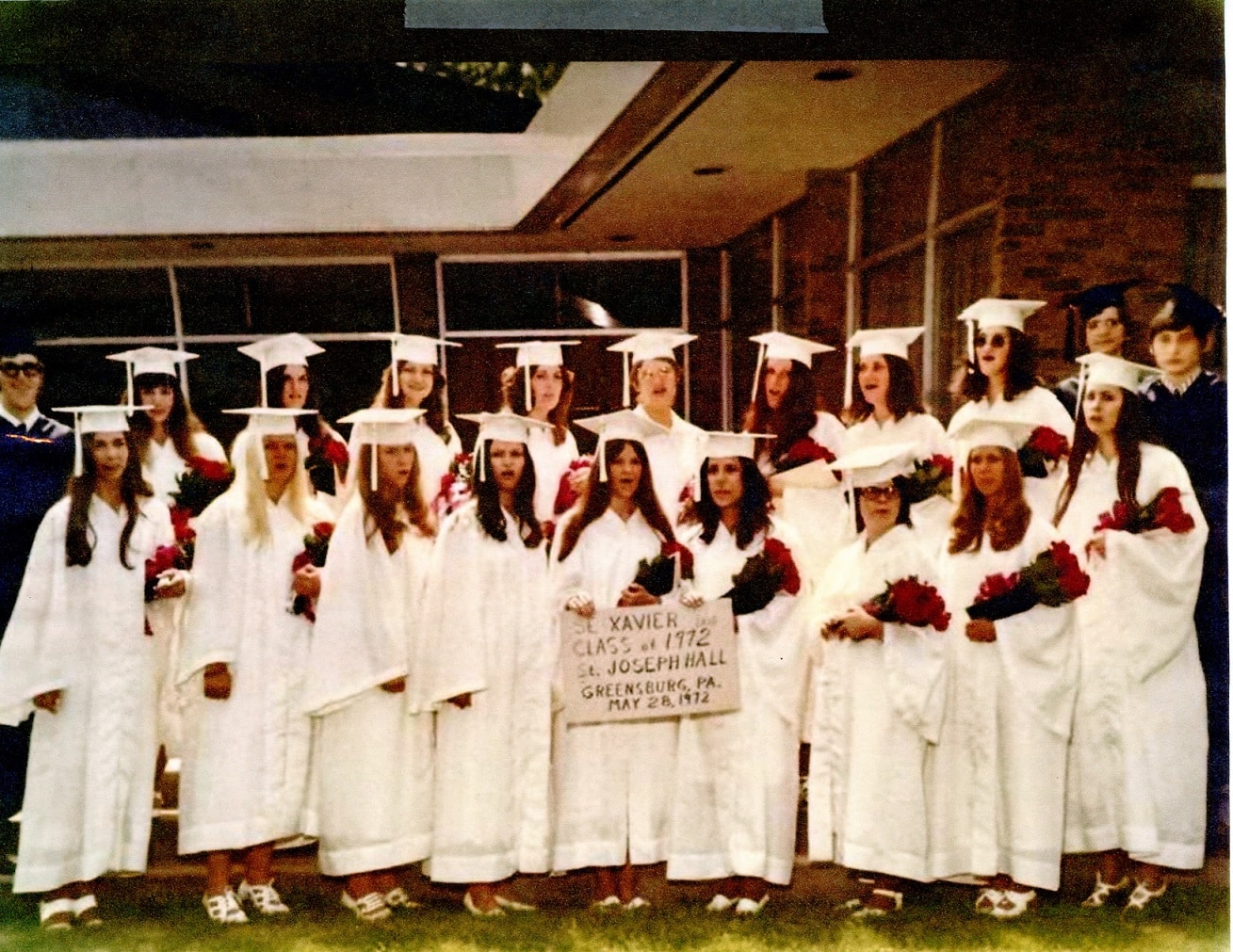
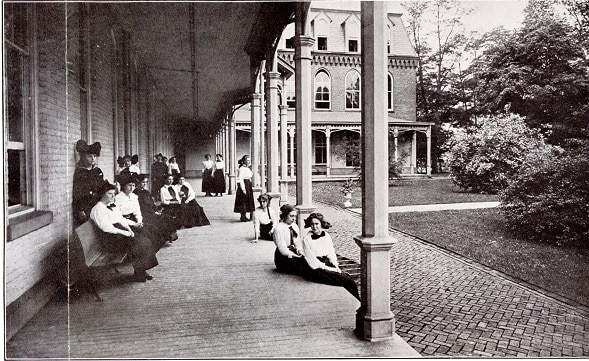
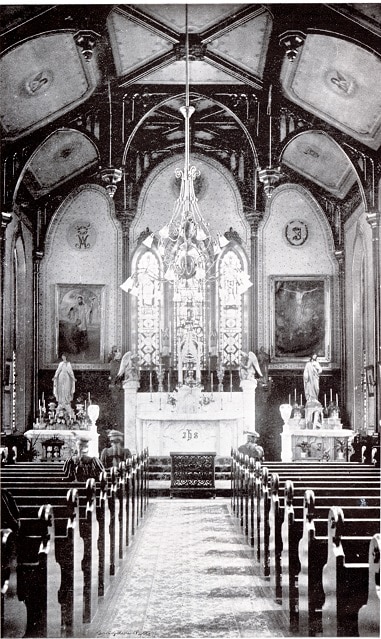
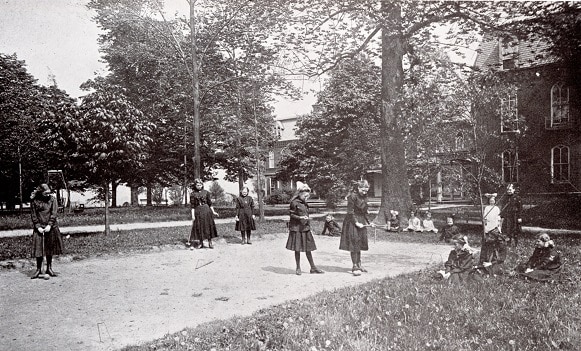
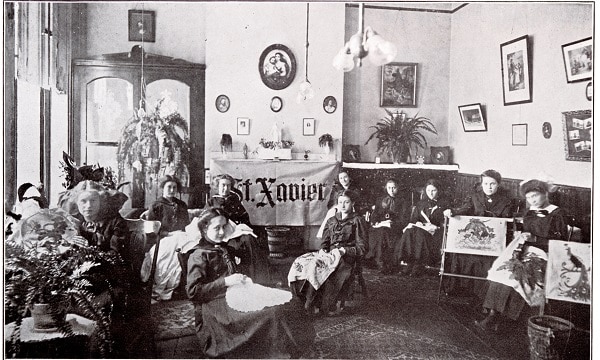
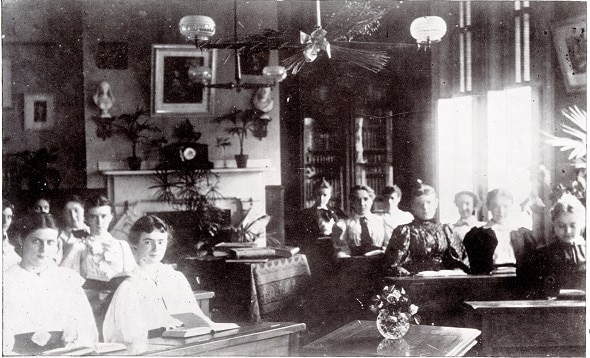
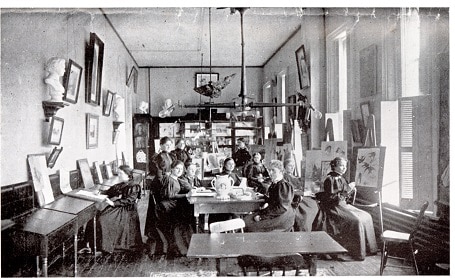
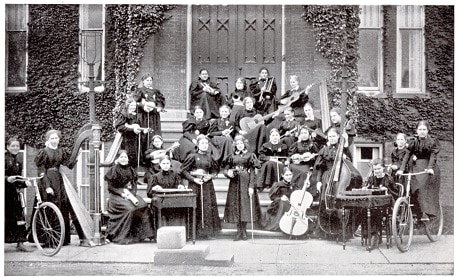
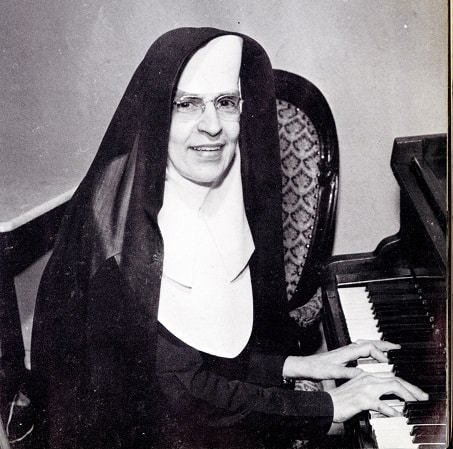
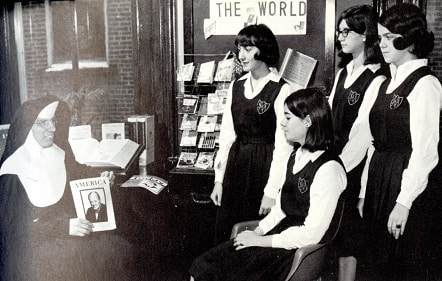
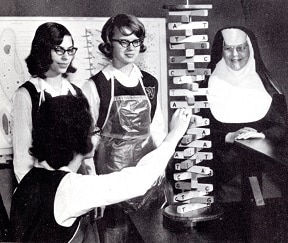
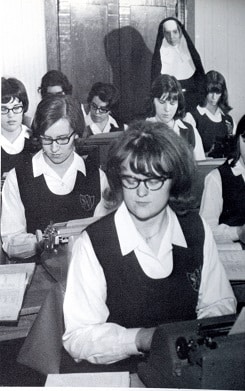

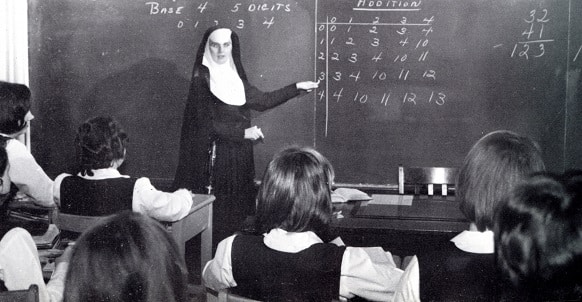
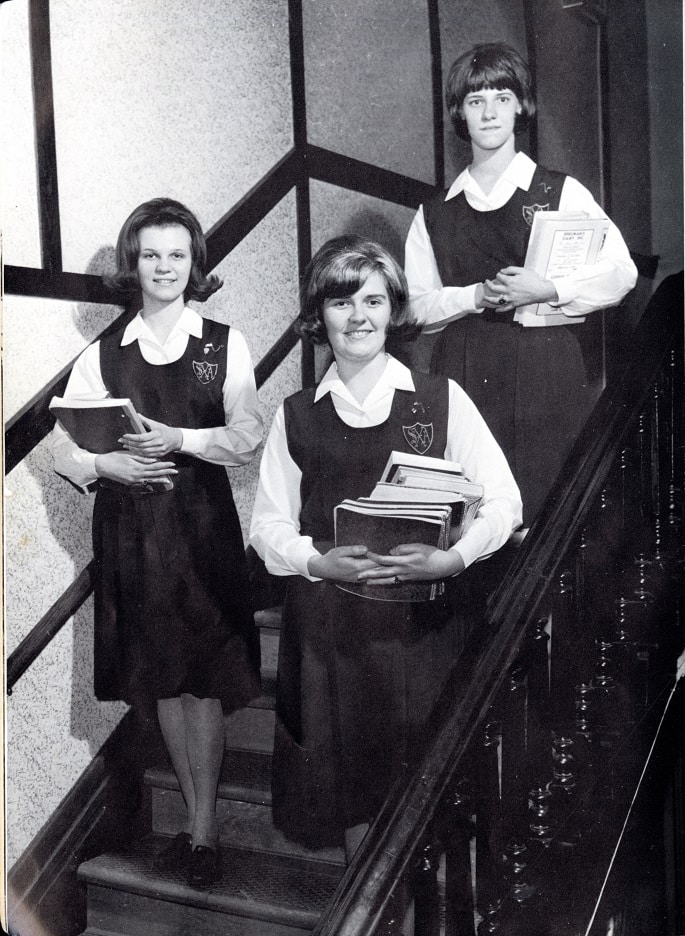
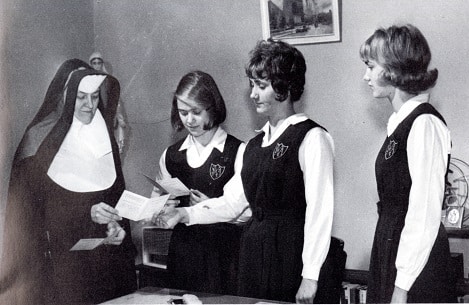
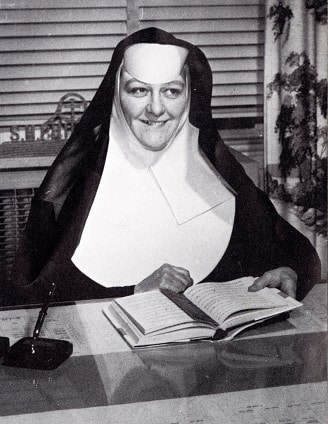
Click to view high resolution images.
The Sisters of Mercy Arrive
Invited by Bishop Michael O’Connor of the Catholic diocese in Pittsburgh, seven Sisters traveled to the United States from Carlow, Ireland in 1843: Frances Warde, Josephine Cullen, Veronica McDarby, Elizabeth Strange, Aloysia Strange, Philomena Reid and Margaret (Agatha) O’Brien. The sisters settled in a building on Penn Avenue in Pittsburgh, where they organized a convent and grade school.
In 1844, Henry Kuhn offered a 108-acre farm near Latrobe to the Sisters, and in 1845 Frances Warde opened Mount St. Vincent Academy for Young Ladies at this location.
When the Benedictine monks came to the St. Vincent property, the Sisters constructed a new building and in 1847 the Academy moved to the new building, named St. Xavier Academy to honor Sister Frances Xavier Warde. Pittsburgh Sisters also went on to teach at St. Paul’s parochial school in Oakland, establish Mercy Hospital in Pittsburgh, and travel to build convents, schools, and hospitals in many locations throughout the United States and beyond.
St. Xavier Academy and Convent grew until a fire destroyed the buildings in 1868. After that fire, the Sisters rebuilt with the help of local benefactors. The new buildings of the Academy and Convent operated continuously as a well-respected and well-loved institution until the the buildings were again destroyed by fire on March 16, 1972.
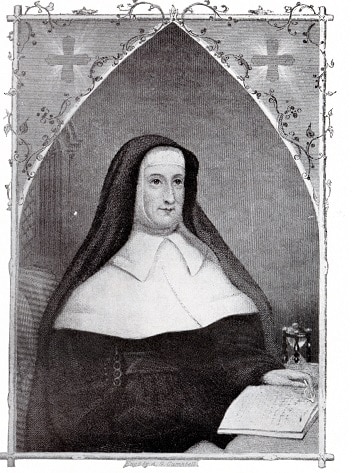
Protecting St. Xavier
Discussion of the property’s conservation started in July 2018. From that time, Westmoreland Land Trust worked in collaboration with a Committee of the Pittsburgh Sisters of Mercy of the Americas to develop a vision for the future of the land. Members of the Sisters’ Committee were Sheila Carney, Bonnie Heh, Mary Joy Haywood, Kathleen Sweeney, Jeanne Snyder, Susan Welsh and Pat Whalen.
Tom Guelcher (The Property Manager for the Sisters of Mercy of the Americas, NY, PA, and Pacific West Community) coordinated this effort. meetings and discussions along with the Sisters’ 1993 “Principles Governing Stewardship of St. Xavier’s” provided guidance.
Throughout 2020 planning the property’s conservation continued, and on January 28, 2021, WLT and the Institute Leadership Team of the Sisters of Mercy at that time (Sister Patricia McDermott, President and Sisters Patricia Flynn, Judith Frikker, Aine O’Connor and Anne Marie Miller) entered into agreements for conservation of the St. Xavier property.
In December 2021, Pennsylvania’s Department of Conservation and Natural Resources awarded a grant of $1,100,000 to WLT to purchase the property. On August 26, 2022 the Sisters of Mercy conveyed the St. Xavier property to the WLT and also made a significant contribution for ongoing maintenance of the property. The Katherine Mabis McKenna Foundation provided significant funding for initial conservation work on the property, and for development of a master plan for the nature preserve.
WLT has been honored to assist the Sisters of Mercy in securing conservation of this land as a profound legacy of the Sisters, and is deeply grateful to all who have supported or assisted with this acquisition.
chronicle
Timeline of St. Xavier Academy
✦ ✦ ✦
1831
Catherine McAuley founds the Sisters of Mercy in Dublin, Ireland.
1843
1845
1847
1868
1972
2018
2022
The 248-acre property is conveyed for permanent protection to Westmoreland Land Trust.
a tradition of education & service
For 125 years, St. Xavier educated young women and men to become leaders, educators, healthcare professionals, and community advocates — carrying lessons of compassion, integrity, and service into communities across the country.
Historic Statues
The Grotto
St. Thérèse Statue
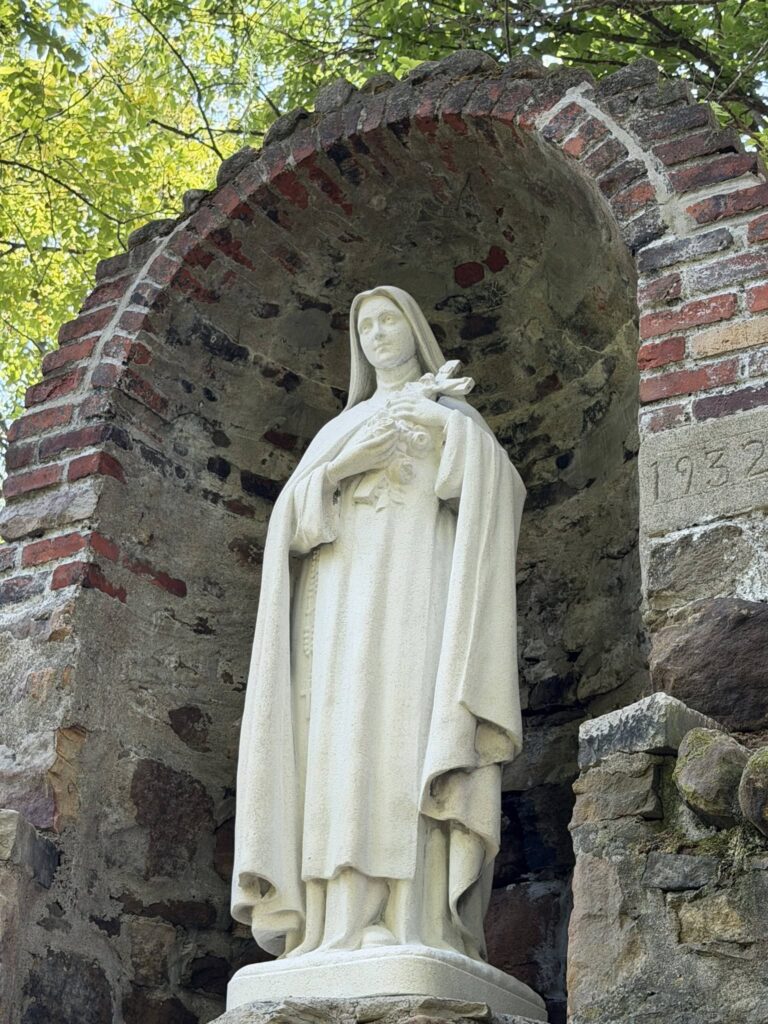
Two historic statues remain important reminders of St. Xavier’s long history and connection to the Sisters of Mercy. A Blessed Virgin Mary statue, located near the historic entrance to the grounds, has recently been fully restored, while the St. Thérèse statue stands within a stone grotto whose wall dates to 1932. The stone walls of the grotto are currently being carefully restored by a dedicated Westmoreland Land Trust volunteer.
Together, these features are among the cultural and historic elements being preserved as St. Xavier begins its next chapter as a nature preserve, ensuring that the history of the property remains part of the experience for future visitors.
A Living Arboretum
The Grove
28 Different Tree Species
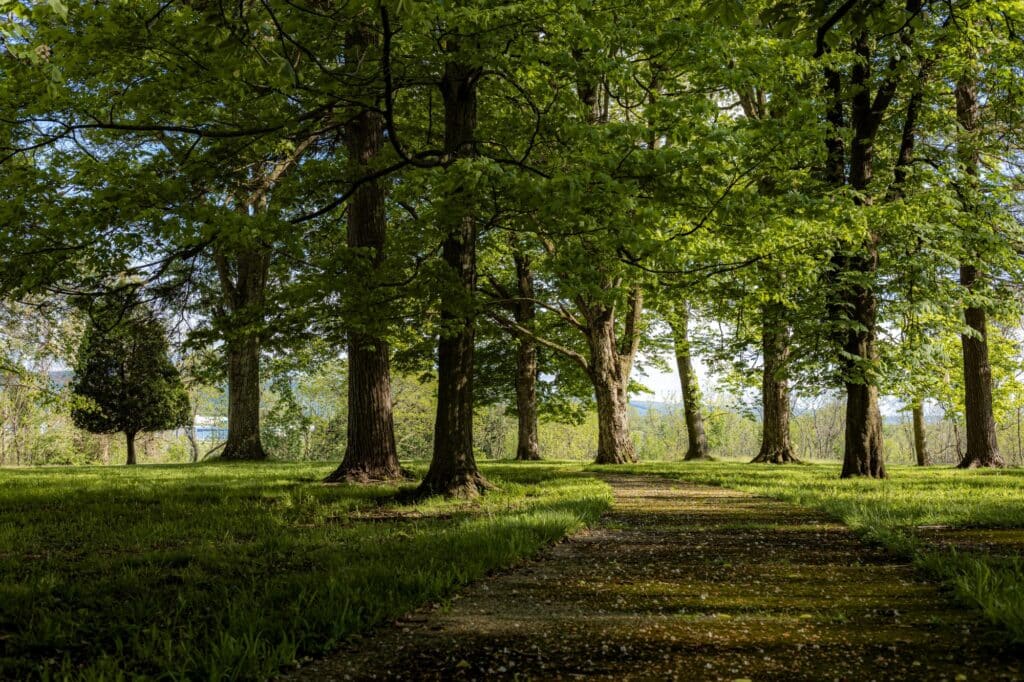
One tradition at St. Xavier Academy was the planting of class trees. Graduating classes selected and planted different tree species throughout the property, creating a living collection of 28 tree species that continue to grow today.
Known as The Grove, this remarkable landscape contains many trees approaching 200 years of age and serves as both an arboretum and a living memorial to the students who once walked these grounds. Through historical research and mapping efforts, the trees have been identified and some have been connected to specific graduating classes, preserving their stories for future generations.
A walk through The Grove is a walk through history—one that connects visitors to historic remnants of the campus, such as the shuffle board court and tennis court, and generations of young students whose lives were shaped at St. Xavier.
constructed 1861
Bellbrook
The Civil-War Era Guesthouse
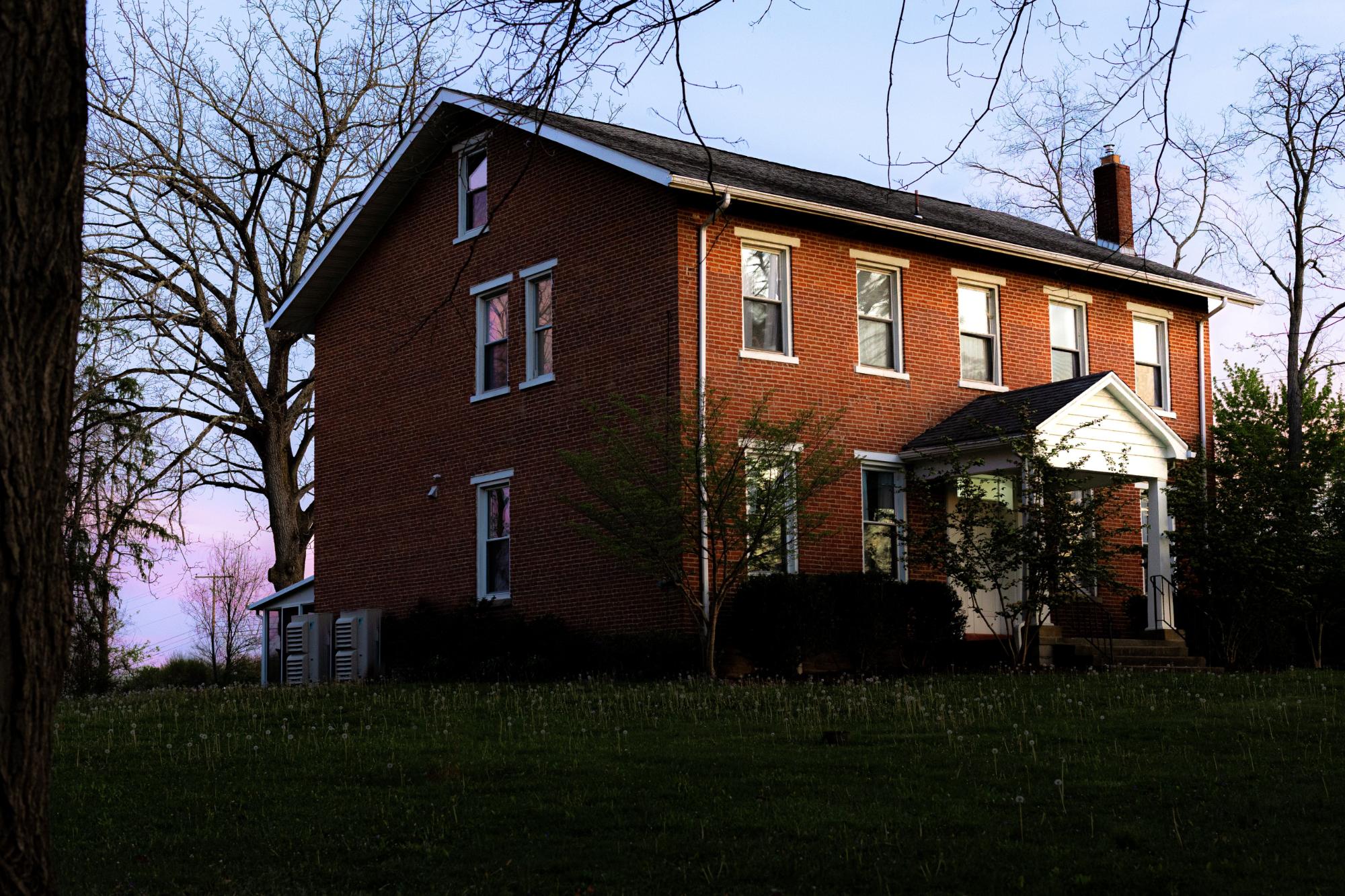
Constructed in 1861, Bellbrook is the oldest remaining structure on the property and serves as a tangible link to the Academy’s history. The Civil War-era guesthouse stood at the center of the campus for generations and welcomed families, bishops, and visitors from all over the nation to the boarding school.
Unlike the Academy and Convent lost in 1972, Bellbrook survived. Today it serves as the headquarters of Westmoreland Land Trust and continues to welcome visitors, volunteers, students, and community members.
legacy
Continuing the Legacy Today
❦
Alumini stories & memories